THE SYSTEM
MICROLINKS HAIR EXTENSION SYSTEM TRULLY OFFERS YOU FREEDOM AND HELPS GROWING YOUR HAIR OUT
THE SYSTEM
MICROLINKS HAIR EXTENSION SYSTEM TRULLY OFFERS YOU FREEDOM AND HELPS GROWING YOUR HAIR OUT
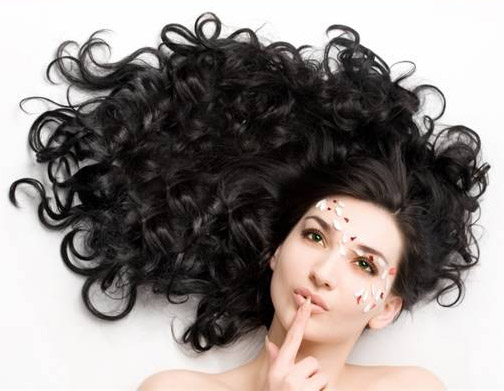

DON'T CONFUSE WITH MICRO BEADS OR MICRO RINGS

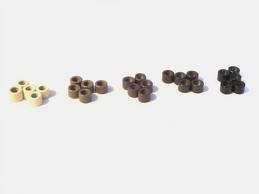
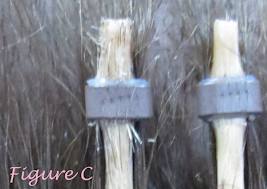

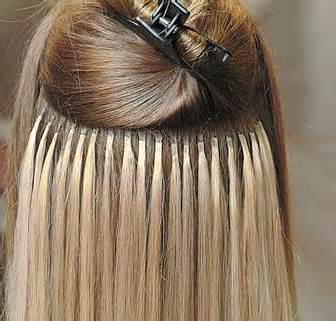
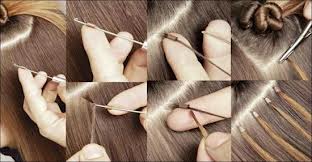
There is a big difference between microlinks and microbeads/microrings:
Although this system utilizes same method of installation, the links/tubes are very different. A lot of clients confuse them because they are so similar, most clients had bad experience of extensions slipping out within weeks after installation. That's because they tried microbeads/rings and not MICROLINKS. Here is why: microbeads/rings are smaller, and shorter, upon installation, they don't hold enough of the extension tip therefore very easy to slip out. Also, as you can see on the picture Figure C, the tip of the extension is sticking out on top, making it uncomfortable to wear, and after few washes/brushes, the tip falls apart and the extension either sheds off or falls off. Microlinks are designed for perfect size to completely cover the tip of extension preventing from tear and wear and holds it in place for duration of 2-4 months.
We import all of our beans directly from columbia. Only the best of the best are chosen to be used in our premium roast.

" please read the bottom of this news stat, it mentions
the damage caused by weave and glue, which we do not
use"
10 August 2012
An increasing number of women are suffering from traction alopecia due to hair extensions, like those sported by Naomi Campbell.
The UK’s leading hair transplant specialists – The Farjo Medical Centre – has revealed that a growing proportion of its patients are young women, looking to reverse the damage caused by hair extensions.
Women as young as 20 are now turning to surgery after suffering from traction alopecia – a Hair Loss condition caused by constant pulling or tension over a long period to the dermal papilla and hair follicle.
Dr Bessam Farjo, former president of the International Society of Hair Restoration Surgery (ISHRS), Medical Director of the Institute of Trichologists and founder of Farjo Medical Centre, said: “We’re treating a significant number of patients who have suffered from Hair Loss caused by hair extensions and the sort of hair styles which place increased tension on the hair and hair-follicle. Hair transplant surgery may seem like an extreme solution, but in many cases it’s the only way to restore hair permanently. Even this method is only guaranteed as long as the person puts less stress on their hair in future.”
Pictures of Naomi Campbell surfaced in the press this week with visible bald patches, highlighting the issue of how damaging hair extensions can be.
Dr Farjo commented: “Although I couldn’t confirm for sure without seeing Naomi in person, it would seem from recent pictures that she is suffering from traction alopecia.
“We often see this type of hair loss in Afro-carribean women as they very commonly wear hair extensions or corn rows. The areas around the hairline are the most prone to permanent damage because the hair in this area is more fragile. The other reason for hair damage in these women is the use of chemicals and heat to straighten the hair. Finally, the use of full hair pieces or wigs can cause friction on the scalp that breaks the hair. The hair will often re grow once the wig is removed.”
Dr Farjo continued: “The damage caused by hair extensions will, in most cases, correct itself once the user stops wearing them. However, there are cases where the damage is so severe it can resemble alopecia areata, which is what Naomi appears to be suffering from.”
Bald patches – like those sported by Naomi – are one of the many potential side effects, which can be caused by hair extensions. When the extensions are woven too tightly they can pull on existing hair and lead to premature shedding. Weaving can also damage hair follicles, causing breakage at the point of attachment. The glue that’s attached to the natural hair can burn and split the ends of the hair and, in some cases, people can suffer from headaches from the added weight of the hair, or allergies to the bonding glue that’s used.
Dr Bessam Farjo and his wife Dr Nilofer Farjo head up the UK’s leading hair transplant surgery. They carry out more than 300 operations each year at their Manchester clinic.
The centre has an international reputation for not only using the latest hair transplantation techniques – recognised throughout the surgical field – but also for placing significant emphasis on developing pioneering ways to counter hair loss.
by Taryn Davies
Read more:
http://www.femalefirst.co.uk/lifestyle-fashion/stylebeauty/Naomi+Campbell-251941.html#ixzz2Tcbi56kN


